Add Row
Add Element
cropper
update
Growing Secure
update
Add Element
  • Home
  • Categories
    • Market Trends & News
    • Mortgage News
    • Local News
    • Ohio News
    • Personal Finance
    • Featured
    • Real Estate News
    • Safety & Budget
    • National News
  • Featured Business
June 11.2025
3 Minutes Read

What Savers and Investors Need to Know About Buy Now, Pay Later Cards

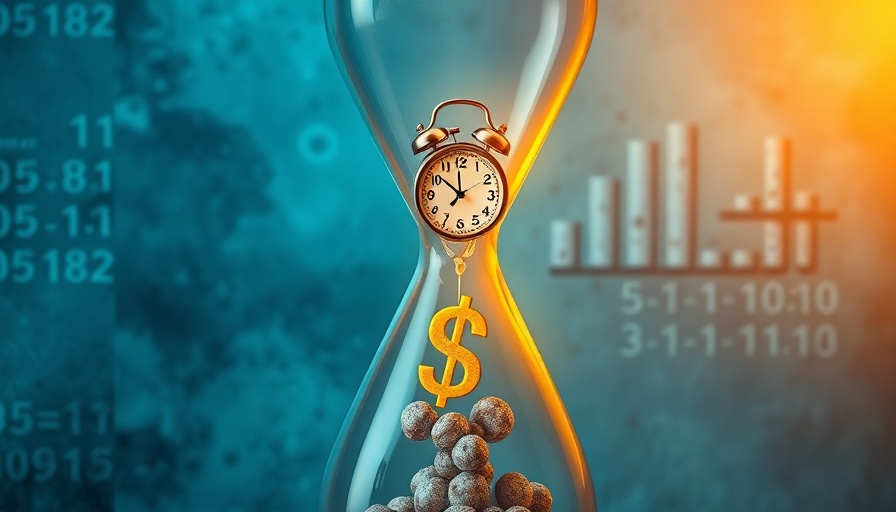
Illustration symbolizing 'buy now pay later' concept with hourglass and dollar signs.

Understanding the Rise of Buy Now, Pay Later Cards

As household debt in the United States reaches staggering heights, the popularity of Buy Now, Pay Later (BNPL) services continues to expand dramatically. Recent statistics reveal that 15% of consumers are now utilizing these installment payment plans for a variety of purchases - from routine groceries and gas to event tickets and luxury items. With Klarna and PayPal leading the charge, the latest trend has involved the introduction of physical cards that allow customers to integrate BNPL options directly into their everyday shopping experiences.

The Everyday Impact of BNPL Cards

Physical cards, like the new Klarna Card and PayPal’s offering, are designed to make BNPL payments as seamless as possible. The Klarna debit card can be utilized at over 150 million merchants that accept Visa, providing users with the flexibility to either pay upfront or utilize BNPL options on everyday purchases. Meanwhile, PayPal has introduced a credit card that combines traditional credit functionalities with BNPL features, allowing users to accrue a balance akin to conventional credit cards while still enjoying payment flexibility.

The Hidden Risks of Easy Payments

While the convenience of BNPL cards offers shoppers flexibility, it also harbors certain risks. Financial experts have raised concerns regarding the potential for these payment options to become a double-edged sword. Alaina Fingal, a seasoned accountant, points out that reliance on BNPL for regular expenses can create a cycle of dependency. "Once consumers start using BNPL for essentials, it can blur the lines between budgeting and falling into a debt trap," she notes. Such dependency can lead to weighing individuals down under previously manageable financial burdens.

The Evolution of Payment Choices: Trends to Watch

The implementation of these cards signifies a noteworthy evolution in consumer payment preferences. With shoppers increasingly desiring the autonomy to choose how and when they pay, financial institutions are adapting their services to accommodate these demands. As David Sandström, chief marketing officer at Klarna, articulated, this progression aims to give consumers both immediate payment capabilities and longer-term financing options, allowing them to tailor their shopping and budgeting methods.

What This Means for Savers and Investors

For those planning for retirement or managing investments, understanding these emerging trends is vital. The proliferation of BNPL services could signify shifts in spending behaviors that may affect economic stability and consumer confidence in the long run. As individuals increasingly utilize these services, they may inadvertently divert savings opportunities or investments into the repayment of accrued BNPL costs.

Counterarguments: Buying Power vs. Financial Responsibility

While advocates of BNPL schemes argue they enhance purchasing power, critics warn that the mental shift towards viewing debt as a commodity could lead to financial irresponsibility. It's essential for both consumers and financial advisors to strike a balance between taking advantages of modern payment options and ensuring sound financial practices. Relying on debt for everyday necessities may lead to greater financial stress down the line, contradicting the benefits these schemes are purported to provide.

Conclusion: Making Informed Financial Decisions

As BNPL physical card options gain traction, it becomes increasingly important for consumers—from savers to investors—to remain vigilant about their financial choices. With household debt levels continuing to rise, the ease of accessing credit through BNPL can swiftly lead to unmanageable expenses. By staying informed and fostering responsible financial habits, individuals can continue to enjoy the conveniences offered while safeguarding their longer-term financial health. Explore the financial implications of these trends further and assess how to incorporate prudent strategies into your own planning.

Market Trends & News

8 Views

0 Comments

Write A Comment

*
*
Related Posts All Posts
12.23.2025

Wegovy Pill Approval: What It Means for Obesity Management in the U.S.

Update Wegovy Pill: A Breakthrough in Weight Loss Treatment In a landmark decision, the U.S. Food and Drug Administration (FDA) recently approved the Wegovy pill, marking it as the first oral medication explicitly designed for weight loss. This innovative step by Novo Nordisk is poised to reshape the landscape of obesity treatment, offering a non-injection option to millions struggling with weight management. The GLP-1 Breakthrough Explained The active ingredient in Wegovy, semaglutide, is part of a class of drugs known as GLP-1 receptor agonists. These drugs mimic a hormone responsible for regulating appetite and promoting a feeling of fullness. Initially approved for managing diabetes, GLP-1 drugs have surged in popularity for their ability to support significant weight loss as well. In clinical trials, participants taking the Wegovy pill were found to lose an average of 13.6% of their body weight after about 15 months, a statistic comparable to its injectable counterpart, which has helped users lose around 15% of their weight over a similar timeframe. These numbers underscore the effectiveness of semaglutide in combating obesity—an epidemic affecting nearly 100 million Americans. The Convenience of Daily Dosing One of the standout features of the Wegovy pill is its everyday dosing regimen. Unlike the injectable forms, which require weekly administration, this pill must be taken once daily, first thing in the morning, on an empty stomach. This flexibility could attract individuals hesitant about injections, creating a more approachable means of weight management. Dr. Christopher McGowan, a gastroenterologist, expressed optimism about the pill's accessibility, stating, “Pills are familiar, nonintimidating, and fit more naturally into most people’s routines.” This psychological comfort may encourage more patients to seek treatment for obesity, potentially leading to broader adoption. Cost Considerations and Market Implications The Wegovy pill, anticipated to be available in January, is projected to be cheaper than its injectable alternatives, making it more accessible to the average consumer. The monthly cost for individuals paying out of pocket is expected to start at around $149, a price negotiated with the administration. While insurance coverage for weight loss drugs is limited, this approval could fuel a shift in how insurers approach these treatments, especially as the pill is also approved for reducing heart disease risk—a covered benefit under Medicare. What Does This Mean for Patients? For many individuals battling obesity, access to a daily pill may be a game-changer. As noted by Dr. Fatima Cody Stanford, a leading obesity expert, “There’s an entire demographic that can benefit from the pills.” With so many facing challenges in managing weight, the approval signifies hope that treatment options could become more widespread and affordable, with the potential to change lives. Potential Challenges Still Ahead Yet, challenges remain, primarily surrounding adherence to the specific dosing requirements. Patients must take the pill with only a small amount of water and wait 30 minutes before eating or drinking. Flexibility could be found with contender drugs like Eli Lilly’s orforglipron, which has less stringent dosing protocols. Additionally, the common side effects, such as nausea and gastrointestinal discomfort, may still pose barriers that patients need to navigate. As the new Wegovy pill rolls out, real-world applications will illuminate its effectiveness compared to existing treatments. Dr. McGowan cautions, “Will patients tolerate the daily dosing and strict timing? We don’t know yet.” Therefore, ongoing studies and anecdotal feedback will be crucial in assessing long-term effectiveness and user satisfaction. Moving Forward: A Broadening Horizon for Obesity Treatment The approval of the Wegovy pill signifies a pivotal moment in the obesity treatment journey. The shift from injectable to oral medication opens new doors for patients, potentially leading to greater compliance and broader health benefits. As the market expands, patients, healthcare providers, and experts alike will be closely watching how these options can be leveraged to combat obesity on a national scale. This denotes not only a revolution in medical treatment but a crucial step towards addressing a pressing public health concern that affects a significant portion of the American population.

12.22.2025

Unlocking Financial Stability: Suze Orman's Two Essential Rules to Follow

Update Suze Orman's Financial Wisdom: A Dual ApproachPersonal finance expert Suze Orman has long been a trusted source for navigating the complexities of money management, particularly for those planning for retirement or looking to strengthen their financial position. Her seasoned advice often encapsulates fundamental principles of financial literacy and empowerment. In this article, we delve into her two key rules for financial success that you should embrace and two others that merit reconsideration, especially in today's dynamic economic landscape.Two Essential Rules to Embrace1. Establish Your Emergency FundOne of Orman’s most vital recommendations is creating an emergency fund. This fundshould ideally cover three to six months of living expenses, providing a safety net in case of unexpected financial upheavals such as job loss or large medical bills. This guideline aligns with advice from financial experts nationwide, emphasizing its significance in maintaining financial stability.Importantly, the amount may vary based on individual circumstances. For those with inconsistent income or higher-than-average health care costs, bolstering this fund can be a prudent move. The recent shifts in the economy underscore this necessity, as many households grapple with increased costs of living and potential income fluctuations.2. Prioritize Your Credit ScoreAnother cornerstone of Orman's philosophy is the importance of a solid credit score. As many experts consistently remind us, a good credit score impacts not just loan approvals but also the interest rates attached to these loans. Orman advocates maintaining a score of 670 or above to secure favorable lending terms. Regularly reviewing your credit report, correcting errors, and managing debts wisely are all strategies recommended by Orman to bolster your credit standing.Consider Rethinking These Personal Finance Rules1. The Car Leasing ConundrumOne rule that Orman suggests reconsidering is her strong stance against car leasing. While leasing may appear disadvantageous since it entails payments for a depreciating asset without ownership, it can also present unique benefits, especially for individuals needing reliable vehicles without the upfront financial burden of purchasing. Leasing allows you to drive a newer model without the responsibilities associated with reselling a vehicle, making it a viable option for many.2. Credit vs. Debit: Reevaluating UsageOrman also advises limiting credit card use in favor of debit. This perspective aims to steer individuals away from accruing debt from credit cards; however, it overlooks some of the advantages that credit cards can offer when managed responsibly. For those who can pay off balances monthly, credit cards can provide rewards and protections that debit cards typically do not. Understanding the nuances of both options—and selecting the right strategy for your lifestyle—can reshape one’s financial standing.Pivotal Insights for Investors and SaversThe Growing Need for Financial LiteracyAs the economic climate shifts, the need for financial literacy becomes more pressing. Suze Orman's advice can help those living paycheck to paycheck—reported at 58% of Americans according to a recent survey—navigate the complexities of their financial situations. Emphasizing the necessity of establishing an emergency fund is especially relevant during economic downturns, which may disrupt income stability.A Call for Personalized Finance StrategiesAll finance strategies are inherently personal, and customizing your approach is paramount. Whether you heed Orman's rules or adapt them to suit your unique circumstances, the ultimate goal should always be financial resilience and growth. Individuals should weigh their living expenses, income variability, and future savings needs as they formulate their financial plans.Conclusion: Empower Yourself with KnowledgeUnderstanding and applying the principles of personal finance can significantly affect one's financial trajectory. Whether you are an investor, a savior, or a retirement planner, integrating Suze Orman’s insights into your strategy may provide the clarity and direction needed to face financial challenges head-on. Take the necessary steps today to fortify your financial future—be proactive in managing your money, setting clear goals, and embracing the importance of continuous learning.

12.22.2025

US Blockades Venezuela Through Aggressive Pursuit of Oil Tankers

Update Tensions Rise as US Pursues Oil Tankers Off Venezuela The United States is intensifying its efforts to blockade Venezuela by actively pursuing a third oil tanker suspected of violating sanctions in international waters. This strategy is part of a broader campaign aimed at cutting off support for the Venezuelan government, which has been accused of using oil revenues to finance illicit activities, including drug trafficking and organized crime. Understanding the Blockade: What Does It Mean? With tensions escalating in the Caribbean, the recent actions by the US Coast Guard reveal a commitment to enforce sanctions against Venezuela's oil trade. Following the seizure of two oil tankers earlier this month, officials have identified the vessel of interest in this third pursuit as linked to a “sanctioned dark fleet,” implying a network that operates under the radar of international law. The Implications for Venezuela's Economy Venezuela, a nation rich in oil reserves, relies heavily on these exports for economic stability. With over 30 ships currently facing US sanctions, the blockade threatens to further cripple the already struggling economy. Recent studies suggest that as US military presence strengthens and incidents of boarding increase, the ability for Venezuela to export oil and maintain revenue streams will significantly diminish. Global Reactions and Their Impact The international community watches closely as the dynamics of the US-Venezuela relationship shift. As noted in recent reports, while US officials defend their actions as necessary for national security, Venezuela's government has labeled these seizures as acts of theft and aggression. The repercussions of these actions could ripple through global oil markets, affecting prices and geopolitical relations. Future Predictions: What Lies Ahead? Experts predict that should the US maintain this tactical approach, Venezuela may experience shortages that could lead to further strife within the country. With increased scrutiny and military operations by the US, a decline in oil output could force the government to make difficult choices that may lead to civil unrest. Analysts speculate that oil prices could also see volatility as market participants react to this heightened risk. What This Means for Everyday Americans For everyday Americans, the unfolding geopolitical events in Venezuela could influence oil prices and, subsequently, the cost of gas. As the US continues its policing of oil trade linked to illicit activities, fluctuations in price at the pump might be on the horizon. Awareness of these global dynamics can equip consumers to make informed decisions about their budgets and spending. Conclusion: Taking Action in Uncertain Times In these unexpectedly turbulent times, it's crucial for individuals to stay informed about international affairs, particularly those that have direct implications on personal finance and economic stability. Understanding the intricacies of how global oil politics can impact everyday lives may empower readers to navigate their financial futures more cautiously.

Terms of Service

Privacy Policy

Core Modal Title

Sorry, no results found

You Might Find These Articles Interesting

T
Please Check Your Email
We Will Be Following Up Shortly
*
*
*