Add Row
Add Element
cropper
update
Growing Secure
update
Add Element
  • Home
  • Categories
    • Market Trends & News
    • Mortgage News
    • Local News
    • Ohio News
    • Personal Finance
    • Featured
    • Real Estate News
    • Safety & Budget
    • National News
  • Featured Business
August 24.2025
3 Minutes Read

Understanding Japan's 'Japanese First' Moment: What It Means for Seniors

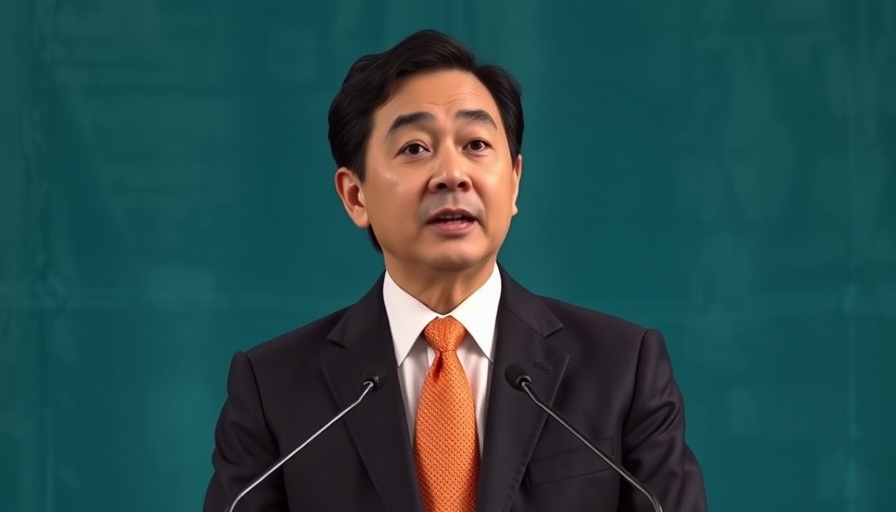
Japanese man in suit delivering speech, teal background

The 'Japanese First' Moment: A New Era in Japanese Politics

As the dust settles on Japan's recent elections, a significant political shift has unfolded that many global observers are failing to recognize. The seismic results from the House of Councillors elections, held on July 20, have highlighted not just a local transformation but a broader cultural awakening among Japanese citizens. This moment, encapsulated in the term "Japanese First," is not merely a political label; it signifies a deep-rooted desire for political change, reflecting sentiments similar to those experienced in other parts of the world, including America.

A Historical Context of Japanese Politics

For much of the last few decades, Japanese politics have been dominated by the Liberal Democratic Party (LDP) and its coalition partner Komeito. This establishment has maintained a stronghold on power, making the recent elections all the more remarkable. Losing their absolute majority is a wake-up call—indicative of a political landscape shifting towards more populist sentiments akin to movements seen internationally. Understanding the legacy of the LDP is crucial; their longstanding policies have favored maintaining relations with global powers over focusing solely on Japan's domestic issues.

Why This Matters to Seniors and Retirees

This political shift directly impacts today’s seniors and pre-retirees. With the establishment losing ground, new voices, particularly from the upstart party Sanseito, are gaining traction. Seniors remember stable governance, yet they also feel the effects of stagnation. Many are looking for new leaders who can address the economic challenges they face in retirement. As taxation, healthcare, and social security discussions are brought back to the forefront, understanding the new political dynamics can help elderly citizens prepare for changes that may affect their retirement planning.

A Reflection of Broader Populist Trends

In the context of Japan, the rise of the Sanseito party, promoted by Sohei Kamiya, illustrates how citizens are rallying behind candidates who resonate with their aspirations. This reflects a global trend where voters are turning away from traditional parties that have failed to address their concerns effectively. For seniors, understanding these populist movements can provide insights into potential future policy decisions that affect pensions, healthcare, and elder law—all essential components of financial well-being during retirement.

Counterarguments: Are Populist Movements the Answer?

While many might champion the rise of populist parties like Sanseito, critics warn of potential pitfalls. Populism can often lead to divisiveness; thus, it is important for voters, including seniors, to examine candidates' platforms critically. How will these new movements affect essential services for the elderly? Are they truly prioritizing the wellbeing of retirees in their agenda? Engagement in thoughtful dialogue is vital for the aging population to ensure they voice their concerns in a landscape that seeks to lead into uncharted territories.

Looking Ahead: Opportunities for Senior Engagement

As Japan's political landscape evolves, seniors have a unique opportunity to engage in discussions that shape their futures. This isn't just about observing changes; it's about becoming active participants in a dialogue that directly impacts their lives. Local town halls, advocacy forums, and citizen-led discussions can empower elderly citizens to influence the decisions affecting healthcare, social security, and retirement planning.

Practical Insights for Elderly Citizens

Staying informed about political changes can help seniors make better financial decisions regarding retirement planning. Understanding new proposals from both established parties and newcomers enables retirees to navigate their finances with confidence. Engaging with financial advisors who are well-versed in elder law can equip seniors with crucial information to safeguard their interests.

The Japanese First moment is a transformative chapter that not only signifies the changes in Japan’s political landscape but serves as a powerful reminder for seniors worldwide—the importance of staying informed and involved in the political process. Your voice matters, now more than ever.

Call to Action: As the political climate shifts, it is crucial to stay engaged and informed. Join local community discussions, follow political developments, and consult with financial advisors to ensure your retirement plans align with the evolving landscape. Remember, your voice is vital in shaping the policies that affect your future.

Elder Issues

15 Views

0 Comments

Write A Comment

*
*
Related Posts All Posts
12.15.2025

Why Understanding Financial Fraud Is Crucial for Seniors in 2024

Update Financial Fraud: A Growing Risk for Older Americans As adults age, they often face unique challenges, especially when it comes to managing their finances. Recent statistics from the Federal Trade Commission (FTC) reveal that financial fraud has surged alarmingly among older adults, costing them an estimated $81.5 billion in 2024 alone. This staggering figure highlights an urgent issue affecting seniors, retirees, and pre-retirees across the country. The Escalating Toll of Fraud on Seniors In 2024, adults aged 60 and older accounted for $2.4 billion in reported losses to financial scams—a 26% increase from the previous year. The most telling statistic is that 68% of these losses, equating to approximately $1.6 billion, consisted of incidents where individuals lost $100,000 or more. It's worth noting that these figures likely underestimate the reality, as many instances of fraud go unreported. Understanding the Types of Scams The primary source of these losses lies predominantly in investment scams, which leave victims not just financially strained but also emotionally devastated. "This crime is not just financial," remarks Kathy Stokes of the AARP Fraud Watch Network. Victims often grapple with feelings of loss and betrayal, as many scams exploit the trust that older adults have built over their lifetimes. How Financial Institutions Are Responding With the rising tide of fraud, financial institutions are stepping up their defenses. Many now request account holders to appoint a "trusted contact" who can be consulted when suspicious activity is detected. This proactive measure allows banks to intervene before it's too late, offering a critical layer of protection. Pending Legislation: A Ray of Hope In response to the increasing incidence of elder fraud, lawmakers are also taking action. The Financial Exploitation Prevention Act is currently pending in Congress. If passed, it would empower financial institutions to delay transactions deemed suspicious, potentially thwarting scammers. This initiative demonstrates a growing recognition of the challenge posed by elder scams and the need for legislative action. Protecting Yourself: Strategies and Insights Seniors can take proactive steps to shield themselves from fraud. Engaging in retirement planning and financial education can empower older adults to recognize potential scams. Here are some actionable tips: Stay Informed: Regularly update yourself about common scams targeting seniors. Knowledge is your best defense. Trust Your Instincts: If an offer seems too good to be true, it probably is. Always verify before acting. Consult Professionals: Discuss financial decisions with trusted advisors, especially when handling investments. Report Scams: If you or someone you know falls victim to fraud, report it to authorities to help prevent further incidents. The Emotional Consequences of Fraud The impact of financial fraud goes beyond monetary loss. Many victims report feeling shame, distress, and a significant emotional toll. It can strain relationships with family members, who may feel helpless in the face of their loved ones’ suffering. In this way, fraud creates a ripple effect that extends into the community. Conclusion: Taking Action In a world where technology evolves faster than legislation, remaining vigilant is essential. Financial fraud against older adults is a real and escalating crisis, but through community support, knowledge, and proactive measures, we can tackle this issue together. Whether you are a senior, a pre-retiree, or a caregiver, understanding the risks and strategies to combat them can protect not only your assets but also your peace of mind. Now is the time to engage with financial literacy resources and join networks aimed at preventing elder scams. Doing so will not only safeguard your financial future but also empower a generation to reclaim their financial autonomy.

12.14.2025

Discovering Genuine Joy This Holiday Season on Gaudete Sunday

Update Rediscovering Joy in an Advent Context As Christmas approaches, the significance of Gaudete Sunday inspires many to find joy amid the chaos of the holiday season. Gaudete, which means “to rejoice” in Latin, serves as a powerful reminder that joy is not solely contingent on our circumstances but is rooted in deeper truths about faith and hope. For seniors and pre-retirees, this message resonates particularly deeply, often reminding them of life’s transitions and the importance of nurturing joy, even in challenging times. Hope for the Weary This past year has been particularly draining for many due to various global challenges. It’s essential to pause and reflect on the opportunities for joy that still exist. Just as G.K. Chesterton articulated the wonder found in the humility of Christ's birth, the current season invites individuals, especially seniors, to recognize the small yet significant blessings in their lives. Perhaps it’s family gatherings or even simple traditions that bring warmth during winter’s chill. Past Trials Strengthen Present Joy Joy is often forged through trials, much like precious metals are refined over fire. Scripture reminds us that true joy can exist alongside hardship. As St. Paul states in Philippians 4:4, “Rejoice in the Lord always,” emphasizing joy as a steadfast anchor amid struggles, especially relevant for those facing health or financial concerns in their later years. Reflecting on past hardships often reveals how much strength and resilience can foster gratitude and joy today. This Advent, let’s encourage our elderly communities to share stories of endurance that highlight how trials have shaped joy in their lives. The Journey Toward Spiritual Preparation The season of Advent invites everyone to embark on a journey of spiritual preparation. For seniors, this season can be especially poignant as they meditate on both life’s blessings and challenges. Acknowledging that Advent, traditionally a more somber period of reflection, can serve as a foundational contrast to the joy of Christmas helps cultivate a deeper understanding of celebration beyond mere festivities. Engaging in meaningful practices, such as attending services or lighting the Advent wreath, helps maintain focus on the essence of joy amid the busyness of the holidays. Community Connection and Acts of Service Inviting seniors to engage in community services during Advent can elevate their spirits. The act of giving and reaching out positively impacts not only those who receive assistance but also enriches the giver’s experience. Opportunities for service—be it organizing community meals, visiting shut-ins, or participating in church activities—can reignite a sense of purpose, creating pathways for joy. As joy multiplies through shared experiences, encouraging our elderly communities to celebrate together enhances their spiritual and emotional well-being. Faith as the Foundation for Joy For many seniors, faith anchors their experiences of joy. As they navigate through memories intertwined with love and loss, the promise of Christ’s presence can be a source of comfort. This Christmas, highlighting the spiritual narratives of individuals’ lives not only builds connections but also serves as powerful reminders of hope and resilience. Each person’s journey contributes to a collective tapestry, enriching the community’s understanding of joy and faith. Sharing the Good News With Gaudete Sunday and Christmas on the horizon, this is an opportune moment for seniors and their families to reflect and share the profound good news of joy and hope that exists for all. Whether through stories, shared traditions, or common prayers, expressing joy in tangible ways allows everyone to participate actively in the joy of the season. This coming season is not just about receiving joys, but also about continuing to pass it on, forming bonds within families and communities. As we embrace the spirit of Gaudete, let’s strive to uncover genuine joy within each heart, foster community connections, and celebrate not only the season but also every moment that brings us closer to each other and to God’s unconditional love. Sharing and embodying this joy provides a meaningful framework for the holidays, turning potential anxiety into a profound sense of peace and happiness.

12.13.2025

Why Seniors Must Get Marketplace Insurance Coverage by December 15

Update Don’t Wait—Act Now to Secure Affordable Marketplace Insurance For seniors, retirees, and pre-retirees, the time to act on health insurance is now. Open enrollment for Marketplace insurance runs until January 15, but crucially, to receive coverage starting on January 1, you must enroll by December 15. This deadline is a lifeline for those who need uninterrupted access to healthcare services in the coming year. Understanding the Marketplace: A Safety Net for Seniors The Marketplace, established by the Affordable Care Act (ACA), serves those who are under 65 and not covered by employer-sponsored insurance or government programs like Medicare. This virtual platform empowers eligible individuals to access necessary health services. Coverage includes essential medical care such as hospital visits, prescriptions, preventive services, and more, all geared towards ensuring families maintain health amidst financial constraints. Unpacking Subsidies: Financial Assistance for Health Coverage Many households qualify for financial assistance known as subsidies, which can significantly reduce healthcare costs. These are based on household size and income; generally, the larger your family and the lower your adjusted income, the greater your subsidy. Understanding the eligibility for subsidies can help you avoid unnecessary costs, allowing you to select coverage that meets your household’s health needs without overspending. Importance of Meeting Deadlines: Beyond Just Dates Missing the December 15 deadline doesn’t merely delay your coverage; it poses risks of having no access to much-needed healthcare as the new year begins. For many seniors and retirees—who often have ongoing medical appointments or require regular medication—the prospect of a gap in coverage can be daunting. Ensuring timely enrollment becomes crucial, particularly for managing chronic health conditions or anticipated medical procedures. How to Navigate the Enrollment Process Effectively To enroll, begin by visiting HealthCare.gov or your state’s health exchange. Gather necessary information like income and household specifics to complete your application efficiently. However, don’t hesitate to reach out to AMAC’s team of trusted insurance professionals who can assist with pinpointing the right plans, eligibility for financial aid, and confirming that your preferred medical providers are within your chosen plan. The assistance is free and can simplify what can often be a confusing process. What Happens After January 15? After the January 15 deadline, the ability to enroll or change plans is limited to certain qualifying life events, such as relocation, loss of coverage, or significant family changes. If you miss this window, you may have to wait a full year for the next open enrollment or explore costly short-term alternatives—further stressing the importance of timely enrollment. Embracing Financial Peace of Mind For seniors, understanding how to navigate the Marketplace may seem daunting, yet it’s crucial for health management and financial stability. Health insurance not only provides access to necessary healthcare but also shields against unexpected costs that can arise from medical emergencies. By acting now, you position yourself and your family for a healthier new year. Take Action Today Don’t leave your health to chance—enroll by December 15 for coverage starting January 1. Consider this not just a routine administrative task but a vital decision for your overall well-being. Emphasize the financial protections a health insurance plan provides, ensuring that both health concerns and costs are managed effectively.

Terms of Service

Privacy Policy

Core Modal Title

Sorry, no results found

You Might Find These Articles Interesting

T
Please Check Your Email
We Will Be Following Up Shortly
*
*
*