Add Row
Add Element
cropper
update
Growing Secure
update
Add Element
  • Home
  • Categories
    • Market Trends & News
    • Mortgage News
    • Local News
    • Ohio News
    • Personal Finance
    • Featured
    • Real Estate News
    • Safety & Budget
    • National News
  • Featured Business
June 02.2025
3 Minutes Read

Navigating the Stock Market’s Trade War Challenges: Key Insights

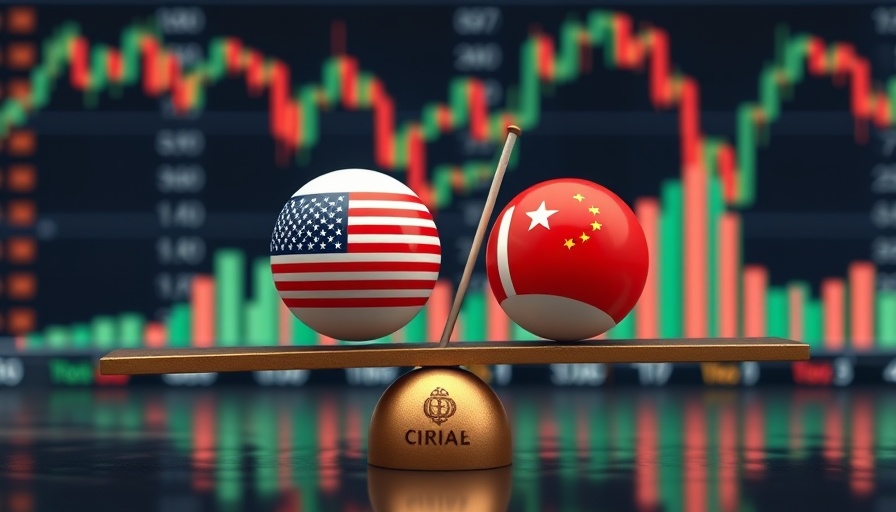
Stock market trade war visual with USA and China spheres on seesaw.

Unraveling the Threads of the Trade War: A Continuing Saga

The stock market is once again caught in the turbulent winds of the ongoing U.S.-China trade war, a saga that has become nearly a soap opera in its drama and unpredictability. With the latest move by President Trump threatening to increase tariffs on imported steel, investors are looking at both historical precedents and potential future ramifications. The re-emergence of trade disputes at a time when earnings season has concluded may seem like a step backward, yet it reflects the complexities of juggling economic relations with geopolitical strategies.

The Impact on Market Sectors: Who Wins and Who Loses?

In the wake of Trump's steel tariffs rising from 25% to a staggering 50%, steel stocks have seen varying degrees of success. Cleveland-Cliffs (CLF) emerged as a leader, boasting a notable 23.7% gain, which raises questions about the broader implications for the industrial sector. Conversely, U.S. Steel's small decline highlights the nuanced landscape where winners and losers exist side by side. Analysts like UBS's Andrew Jones suggest a close examination of these shifts reveals critical insights into investor sentiment amid regulatory changes. This is a strong indicator that sectors tied closely to international trade dynamics will likely continue experiencing volatility.

Understanding Investor Sentiment in Volatile Times

The Cboe Volatility Index (VIX) remains a reliable barometer for gauging market fears, having hovered in a typical range of 12 to 20, even as the blue-chip Dow Jones Industrial Average recorded slight gains. The interplay of Fedspeak and economic data has typically influenced traders' perceptions, yet the weight of external pressures—like trade tensions—complicates the overall landscape. Many investors appear undeterred by the latest trade disputes, even with speculation around economic growth potentially stalling.

Future Predictions: An Ominous Outlook or a Temporary Hiccup?

As the trade talks continue to unravel, speculations about future negotiations and their impact on the market become critical. Conversations with experts suggest that if the U.S. and China can return to the negotiating table with genuine intentions, a resolution might not be far off. However, should tensions escalate further, a ripple effect could negatively impact sectors reliant on smooth international trade. Analysts urge cautious optimism, emphasizing the importance of staying informed on policy shifts and their potential market impacts.

Common Misconceptions: Navigating the Trade War Narrative

Many might assume that only steel industries are significantly affected by these tariffs, but the reality is broader. Numerous sectors, including technology, agriculture, and consumer goods, are interconnected in ways that exacerbate market reactions. An example can be seen with Nvidia's recent earnings report, which, while strong, is susceptible to changes in demand and tariffs affecting AI chip exports. Understanding these interdependencies is essential for a nuanced view of the market climate.

Conclusion: Making Sense of Current Events

Amidst the whirlwind of trade disputes and tariff talks, investors are reminded once more of the importance of vigilance. With developments occurring at a breakneck pace, staying aware of how these changes affect various sectors is paramount for crafting strategic investment decisions. As always, analyzing underlying trends and preparing for potential shifts will equip investors to navigate complex financial landscapes confidently.

Personal Finance

2 Views

0 Comments

Write A Comment

*
*
Related Posts All Posts
12.15.2025

Exploring the Unseen Consequences of Fed Rate Cuts on Your Finances

Update Understanding the Fed's Rate Cuts: A Complex Web of Impacts The Federal Reserve's decision to cut interest rates is undoubtedly significant, echoing through various sectors of the economy, yet the implications often extend far beyond immediate effects such as lower borrowing costs. While many view these rate cuts as beneficial, especially for borrowers, it’s crucial to recognize how they can have unexpected consequences that reverberate through financial markets and individual financial decisions. Understanding these nuanced impacts can facilitate more informed decisions for investors and consumers alike. How Rate Cuts Shape Economic Behavior One of the immediate responses to rate cuts is an increase in borrowing and spending, as lower interest rates typically encourage consumers and businesses to take loans. This increased liquidity can stimulate economic growth in the short term. However, it can also lead to concerns about inflation and asset bubbles. For instance, when more money is circulating, the prices of goods and services may rise. Moreover, as borrowing becomes cheaper, individuals may dive into debt without fully assessing their financial stability, unknowingly inviting pitfalls that could surface later. Potential Risks for Savers For savers, the implications of rate cuts are particularly stark. While reduced rates can ease the burden on borrowers, they considerably diminish the returns on savings accounts and fixed-income investments. This scenario can create a challenge for those relying on interest income, especially retirees who might depend on stable returns to fund their lifestyle. Sacrificing yield often leads savers to seek riskier investments, dramatically shifting their financial strategies in ways that may not align with their risk tolerance. The Ripple Effect on Investment Strategies Another crucial aspect of rate cuts relates to their influence on investment strategies. When interest rates decrease, investors often shift from fixed-income securities to equities or alternative assets, hoping for higher returns. Consequently, the stock market may experience heightened volatility as capital flows alter, leading to fluctuations in stock prices unrelated to the underlying economic fundamentals. Understanding this dynamic is essential for investors aiming to maintain a balanced and diversified portfolio amid shifting market conditions. Future Implications: What Lies Ahead? Looking forward, the long-term implications of sustained low-interest rates could be profound. Central banks, including the Federal Reserve, may find themselves in a precarious position if they need to raise rates in the future to curb inflation or stabilize the economy. Past experiences indicate that hiking rates can shock the markets, leading to corrections that may disproportionately affect investors who have become reliant on the accessibility of cheap capital. Therefore, a proactive approach to financial planning, with an awareness of these potential market shifts, is vital. Conclusion: Navigating a Changing Financial Landscape Ultimately, while the Federal Reserve’s rate cuts are aimed at spurring economic growth and easing financial pressure on borrowers, it is essential for all stakeholders—consumers, investors, and policymakers—to navigate the complexities they introduce. Taking a measured approach to understanding these impacts can empower individuals to make astute financial decisions, securing their financial future in an ever-evolving economic landscape.

12.14.2025

Balancing Generosity and Responsibility: Gifting $5000 to Grandchildren this Christmas

Update Understanding Financial Gifts and Their Lasting Impact For many retirees, the desire to provide for their grandkids can lead to thoughtful yet challenging decisions about gifting. This Christmas, one retiree is contemplating giving $5,000 each to three grandchildren, yet faces resistance from their parents regarding how the funds will be used. The pushback highlights a growing concern among parents about managing their children's newfound wealth responsibly. As grandparents ponder gifting, understanding the implications of such generosity becomes vital. Utilizing the Annual Gift Tax Exclusion for Ultimate Generosity According to the IRS guidelines, grandparents may leverage the annual gift tax exclusion to maximize their contributions without incurring tax penalties. In 2025, an individual can gift up to $19,000 per grandchild, meaning that a married couple can donate $38,000 annually without triggering gift taxes. This strategy allows families to transfer wealth strategically and efficiently, ensuring that grandchildren are supported while minimizing tax burdens. Designing Gifts for Nuanced Family Needs Every grandchild is unique, bringing different aspirations and financial needs to the table. A versatile gifting strategy can address these unique requirements. For instance, if a grandchild has college aspirations, setting up a 529 College Savings Plan is an excellent option. Contributions to this plan not only grow tax-free when used for education but also offer statespecific tax advantages. This proactive planning paves the way for future financial stability. The Importance of Financial Education in Gifting When giving financial gifts, it is crucial to convey the significance of responsible money management. Teaching grandchildren about budgeting, saving, and strategic spending is as important as the gift itself. Parents’ concerns about spending indiscriminately can be mitigated through parent-child discussions about setting aside a portion for savings or future investments. This encourages a balanced approach to wealth, where enjoyment does not overshadow responsibility. Exploring Custodial Accounts for Long-Term Benefits Another effective vehicle for gifting is custodial accounts under the Uniform Transfers to Minors Act (UTMA). These accounts allow grandparents to gift assets that can benefit grandchildren while providing some control over how funds are utilized until they reach adulthood. For example, if a grandchild shows interest in investing at a young age, offering funds via an UTMA account can foster investment knowledge and instill a sense of ownership from a young age. Roth IRAs: A Forward-Thinking Choice For grandparents inclined to provide a head start in financial planning, consider contributing to a Roth IRA for minors. Although contributions are not tax-deductible, the tax-free growth and eventual tax-free withdrawals in retirement make it an enticing option for grandchildren who may have part-time jobs or other forms of income. This not only sets them on the path to early retirement savings but also teaches them the value of investing from a young age. Incorporating Educational Accounts in Gifting Strategies As discussed in recent financial guides, 529 plans and Coverdell Education Savings Accounts stand out for their ability to encourage educational endeavors. With the evolving FAFSA regulations, grandparent-owned educational accounts no longer adversely affect financial aid eligibility. This shift broadens opportunities for grandchildren to access higher education funding without hindrance, making educational savings a priority for prudent grandparents. Consulting Financial Experts for Strategic Planning Before proceeding with substantial gifts, consulting a financial advisor is essential. Experts can provide tailored strategies that optimize gifting while considering potential estate implications, including the lifetime gift tax exemption. For instance, as the lifetime exemption may decrease after 2025, there’s merit in utilizing current higher thresholds for gifting before they revert back to previous limits. Understanding these nuances assists in devising an impactful financial plan. Conclusion: A Legacy of Financial Wisdom and Responsibility Ultimately, gifting money to grandchildren is a powerful way to contribute to their futures. By aligning financial gifts with educational opportunities and instilling responsible money management practices, grandparents help shape a legacy that transcends monetary value. As with any financial decision, strategic planning, knowledge sharing, and expert consultation are key to maximizing the potential impact of generosity while safeguarding personal financial stability.

12.13.2025

Understanding AI Stocks' Role in Nasdaq’s Dramatic Drop: What Investors Need to Know

Update The Recent Downturn: What Triggered the Nasdaq's 398-Point Drop?On a turbulent trading day, the tech-focused Nasdaq Composite suffered a staggering 398-point drop, reflecting investors’ rising concerns about the sustainability of the AI-driven stock rally. This downturn, which marks a significant moment for the market, comes on the heels of disappointing earnings reports from major players in the artificial intelligence space, notably Oracle, whose stock tumbled nearly 11% following an earnings miss. Such declines have raised alarm bells for investors already wary of an impending tech bubble.The AI Bubble: Is It Real?The culmination of euphoria surrounding AI stocks has led Wall Street to speculate whether we are witnessing the formation of an unsustainable bubble. After Oracle's weaker-than-expected financial forecasts, which saw a drop in its stock price and a ripple effect across other tech giants, the market appears poised for potential corrections. Reports from the likes of Broadcom and Nvidia reflect rising investor anxiety regarding profitability amid soaring investments in AI infrastructure. As stocks that were once buoyed by projections of unchecked growth face reality, the question arises — are these tech stocks truly worth the exponential price tags?Comparative Perspectives: Broader Market TrendsFor context, the Nasdaq's decline is not an isolated incident. As reported, the S&P 500 and Dow also faced downward pressure amidst the backdrop of rising Treasury yields and inflationary concerns. A recent report highlighted that inflation still looms large in investors' minds, especially following comments from Federal Reserve officials opposing monetary easing. This wider economic apprehension seems to be informing investors' decisions to retreat from sectors perceived as overvalued, primarily technology.The Ripple Effect: Impact on Industry LeadersNot just Oracle felt the heat; Nvidia shares fell almost 1.5%, while chipmakers like Intel faced losses exceeding 3%. With companies that had previously delivered robust returns suddenly reevaluating their growth trajectories, the entire semiconductor index saw significant declines. In this environment, even strong performers like Lululemon found themselves in the spotlight, as their resilience amid the turmoil offers a stark contrast to falling tech stocks.Future Predictions: Navigating Market UncertaintyAs we move forward, there are crucial indicators to watch that may provide better clarity into whether this sell-off is a minor correction or the harbinger of something worse. With upcoming labor market and inflation data due to be released, the responses of investors and policymakers could dictate the next chapter for tech stocks and the economy at large. With inflation still high and jobs data looming, a more conservative approach may prevail amongst investors.What Can Investors Do in a Volatile Market?Investors looking to navigate this climate of uncertainty should consider diversifying their equity exposure across sectors to mitigate risk. While defensive stocks like consumer staples showed resilience during recent sell-offs, a balanced approach including a mix of both growth and value stocks is essential for managing risk. Additionally, keeping a keen eye on sectors benefiting from secular trends could prove advantageous as the market stabilizes.In conclusion, the recent plunge in the Nasdaq underscores the fragility of a market heavily reliant on the promise of AI innovations. As the narrative around tech stocks evolves, it's crucial for investors to remain informed and adaptable in the face of changing economic indicators.

Terms of Service

Privacy Policy

Core Modal Title

Sorry, no results found

You Might Find These Articles Interesting

T
Please Check Your Email
We Will Be Following Up Shortly
*
*
*