Add Row
Add Element
cropper
update
Growing Secure
update
Add Element
  • Home
  • Categories
    • Market Trends & News
    • Mortgage News
    • Local News
    • Ohio News
    • Personal Finance
    • Featured
    • Real Estate News
    • Safety & Budget
    • National News
  • Featured Business
April 14.2025
3 Minutes Read

Flipping Houses: Easing Into The $220K Entry-Level Market

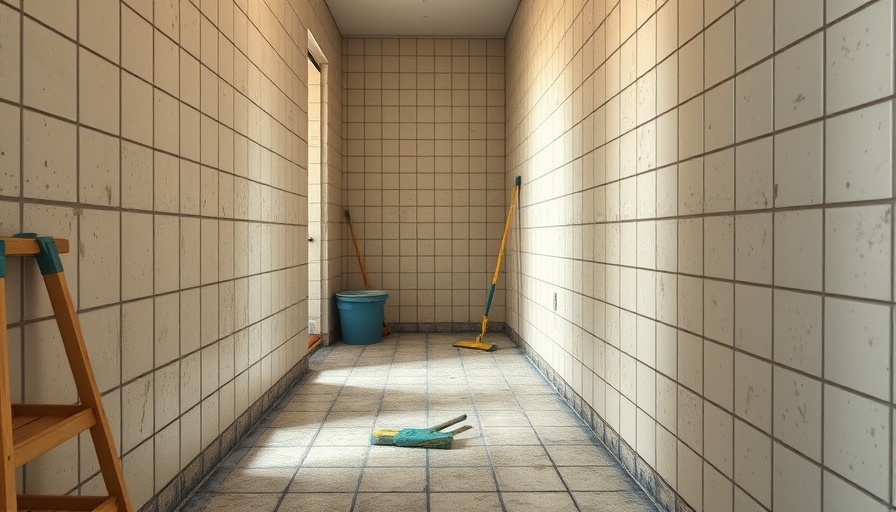
Entry-level house flipping preparation with tools in old hallway.

Unlocking the Value of House Flipping: An Introduction

Flipping houses can seem like a daunting task, particularly for beginners eyeing entry-level properties. However, the potential profit can make it well worth the effort and risk. In a recent video, a home investor shares their experience with a $220,000 entry-level house flip, providing insights into the initial steps of this lucrative business. Whether you're a novice investor or simply intrigued by the real estate world, this exploration offers a roadmap to understanding how to successfully navigate your first property flip.

In $220K entry level house flip. One of the first ones I did on YouTube, the discussion dives into essential house renovation insights that sparked deeper analysis on our end.

What You Need to Know Before Diving In

Before embarking on any investment journey, it's important to educate yourself on the essential elements of the market. The house flipping process can be divided into several steps: buying the property, renovating it, and selling it for profit. These steps may seem straightforward, but they involve detailed planning, budgeting, and market analysis. Understanding local market trends and knowing which features attract buyers can dramatically influence your success.

The Appeal of Entry-Level Houses

Entry-level houses offer a unique opportunity for new investors. Priced around $220,000, these homes often feature less competition from seasoned investors. Furthermore, buyers in this price range are typically first-time homeowners or those looking for affordable housing, thus increasing the demand for these properties. This demographic shift has created an appealing market for novice flippers.

Real-Life Example: A $220K House Flip

In the featured video, we see a firsthand account of a $220,000 property being flipped. The investor discusses critical decisions made throughout the process, from assessing structural repairs to aesthetics. This case study outlines practical takeaways, such as the importance of budgeting for unexpected repairs and utilizing the help of local contractors to manage renovation costs effectively.

Future Trends in House Flipping

As we analyze current market conditions, predictions suggest that entry-level house flipping may continue to flourish. As remote work becomes more prevalent, people are increasingly moving to suburban areas where housing is more affordable. This shift could boost interest in flipping houses, as investors target properties in emerging neighborhoods.

Challenges in House Flipping

While house flipping can be profitable, it’s not without its challenges. Investors must navigate fluctuations in market prices, potential renovation delays, and unexpected costs. A well-researched plan can help mitigate these challenges, but it's essential to remain flexible and ready to adapt to unforeseen circumstances.

Essential Takeaways for Aspiring Flippers

For those considering entering the flipping game, here are some crucial insights:

  • Research Your Market: Understanding your target neighborhood is essential.
  • Budget Wisely: Always allocate extra funds for surprises.
  • Know Your Renovations: Focus on changes that add value and appeal.

Following these guidelines can help new investors embark on their journey confidently.

Your Turn to Flip!

If you're drawn to the idea of flipping houses and want to explore this investment avenue, start by conducting thorough market research and evaluating your finances. Consider starting small with an entry-level home, just like the example showcased in the video. Remember that every renovation is a learning experience that can equip you with invaluable knowledge for your next project.

Conclusion: Taking Action on Your Flipping Goals

As you contemplate your next financial move, why not take the plunge into house flipping? By leveraging the insights shared in the video on flipping a $220K entry-level house and applying them to your own journey, you can set yourself up for success in the real estate market. Don't hesitate to dive into the world of real estate investing—it might just be the opportunity you've been waiting for!

Real Estate News

1 Views

0 Comments

Write A Comment

*
*
Related Posts All Posts
01.09.2026

What Homeowners Should Know About Super Mutant Fleas in Their 100-Year-Old Homes

Update Understanding the Bizarre Tales from Historic Homes Renovating old houses often comes with unexpected surprises. In the recent viral video “I swear this 100 year old home had super mutant fleas,” we see a humorous yet alarming account of a homeowner's encounter with flea infestations in their century-old abode. The clip sheds light on the common issues faced by individuals living in historic homes, particularly those in Ohio, where older architecture prevails and has become a popular choice for homebuyers and renovators.In "I swear this 100 year old home had super mutant fleas," the discussion dives into unexpected pest challenges in historic homes, exploring key insights that sparked deeper analysis on our end. Historical Context: Why Old Homes Are Popular Historically, older homes are often valued for their character, craftsmanship, and the unique stories they embody. Many buyers are drawn to the charm of homes built in the early 20th century or before, attracted by features like hardwood floors, ornate moldings, and antique fixtures. However, these beautiful properties can come with a fair share of hidden problems. Homebuyers must be prepared for challenges, including outdated plumbing, electrical systems, and—like in this case—pest infestations that can surprise even the most seasoned renovator. Why Renovators Need an Action Plan The humorous anecdote in the video illuminates a serious issue: the necessity for a proactive approach when renovating. If you find yourself in a similar situation, here are actionable steps you should consider: Conduct Thorough Inspections: Before committing to renovations, hire professionals to inspect your prospective home. This should include checks for pests, structural integrity, and electrical systems. Consult Pest Control Experts: If you do find pests, professional pest control services should be your first call. They can tackle infestations efficiently, preventing extensive damage to your home. Understand Homeowner Insurance Policies: Know what your homeowner's insurance covers; some policies might include pest control services, which could provide relief with costs. Emotional Insights: The Rollercoaster of Renovating For many homeowners, the journey of renovating a historic property is laden with emotional highs and lows. From the initial excitement of envisioning the potential to the moments of dismay when unforeseen issues arise—such as discovering super mutant fleas—these experiences can evoke a range of feelings. As illustrated in the video, the playful banter about mutant fleas humorously captures this rollercoaster emotion, reminding us that maintaining the charm of a historic home can often mean confronting unexpected nuisances. Understanding Pests: The Flea Conundrum What can seem like a quirky and funny incident on social media is grounded in reality. Fleas are notoriously difficult pests that can quickly multiply and cause issues in homes, particularly older ones where pets may have resided for years. Understanding the biology and behavior of fleas is crucial in combating them effectively: Life Cycle: Fleas can hatch from eggs into adults in about two weeks, which is why rapid action is essential once an infestation is detected. Techniques for Elimination: Beyond professional pest control, homeowners can also take steps to manage infestations, like regular cleaning and maintenance practices. Future Trends: Homes and Sustainability As we look to the future, the trend toward sustainable and energy-efficient remodels is gaining momentum, especially in older homes. Many homeowners are increasingly opting for eco-friendly materials and methods that respect the history of their homes while reducing their carbon footprint. This trend not only benefits the environment but can also enhance the market value of older properties, making renovation a worthwhile investment. Conclusion: Stay Prepared in Your Renovation Journey If you’re considering purchasing or renovating an older home, remember that preparation is key. Understand that while the process can be filled with unexpected surprises—like mutant fleas, requiring pest control expertise—it can ultimately lead to a space filled with character and history that provides great joy. Take steps to educate yourself, enlist professionals, and stay proactive about the challenges that might arise. Remember, engaging with platforms and communities that are passionate about home renovations can also provide mutual support and advice. So, if you’re part of the journey or just beginning, consult professionals, gather insights, and navigate your renovation with confidence!

01.08.2026

Transforming Small Bathrooms: Unlocking Value in House Flipping

Update The Power of Small Renovations in Real Estate When it comes to house flipping, maximizing every square inch of space can drastically increase a property’s value, especially when renovating small bathrooms that often get overlooked. These often cramped and underused areas can become stunning features of a home through careful planning and design choices.In "Renovating a small useless bathroom," the discussion dives into the transformative potential of small renovations, exploring key insights that sparked deeper analysis on our end. Turning the Unusable into the Usable In the video "Renovating a Small Useless Bathroom," we see how transforming a seemingly useless bathroom into a functional space can significantly enhance a home’s marketability. Not only does this renovation provide essential utility, but it can also add aesthetic value. An updated bathroom can serve as a retreat for homeowners or a key selling point for prospective buyers. Kitchen and Bathroom: The Heart of the Home It's commonly said that kitchens and bathrooms sell houses. Remodeling a small bathroom can yield significant returns on investment. According to industry experts, a modest bathroom remodel can recoup over 70% of its costs when it comes time to sell. This illustrates the importance of investing wisely in these areas. A small update can breathe new life into an overlooked space, making it a desirable focal point. Design Tips for Small Bathrooms When designing a small bathroom renovation, there are several strategies to maximize both function and style: Use Light Colors: Light colors can make a space feel larger and more open, providing an airy feel against what often feels like a constricted environment. Incorporate Smart Storage: Utilize vertical spaces and consider floating shelves or built-in cabinets to help declutter. Choose Space-Saving Fixtures: Compact toilets and vanities can free up essential flooring space, creating the illusion of a larger area. Embracing Sustainability Moreover, incorporating eco-friendly fixtures and materials can resonate with an environmentally conscious market. From low-flow faucets to recycled tiles, sustainable choices can enhance the allure of your renovation while also appealing to a growing demographic of eco-minded buyers. Not only is this beneficial for the planet, but it can often lead to lower water costs, making it a win-win for homeowners in the long run. Return on Investment: What to Expect Flipping houses is not just about cosmetic changes; knowing when to invest is crucial. After executing a thoughtful bathroom renovation, potential homeowners often witness an increase in property value as well as an increase in pleasing aesthetics. Understanding market trends can help inform your decisions and spotlight features that will most enhance value for the local neighborhood. Common Misconceptions about Bathroom Renovations Many believe that a complete remodel is mandatory to see a return, but sometimes all it takes is minor changes. While some updates demand hefty investments upfront, others yield high returns even with minimal costs. It's essential to evaluate your space with a critical eye, focusing on areas that will have the greatest impact per dollar spent. The Personal Touch: Enhancing Human-Centered Design Finally, it’s vital to remember that renovations are not only about functionality or aesthetic appeal. They impact the daily lives of those who use the space. A well-designed bathroom can promote relaxation and well-being, an often overlooked but important aspect of home life. Thus, a renovation shouldn't merely result in improved resale value; it should elevate the experience of those residing in the home. Next Steps: Your Renovation Journey If you're considering a bathroom renovation for your next house flip, now is the time to embrace modern design principles that prioritize efficiency and style. You can begin by developing a plan that outlines your goals and budget. Consult professionals for more detailed designs and help. Each small decision can lead you toward a significant transformation that could result in financial and personal rewards.

01.07.2026

Home Renovation Dangers: What You Need to Know to Stay Safe

Update When Home Renovation Goes Wrong: A Cautionary TaleHome renovation projects are often seen as a means to enhance a living space and increase property value. However, it’s essential to recognize that they can also come with serious risks—sometimes resulting in significant injury. This sentiment was echoed in a recent video titled "This home renovation sent me to the hospital," which highlights the potential dangers associated with home improvement endeavors.In 'This home renovation sent me to the hospital,' the discussion dives into home renovation dangers, exploring key insights that sparked deeper analysis on our end. The High Stakes of Home ImprovementIn the video, viewers witness the aftermath of a renovation gone awry, with serious implications for the homeowner. The shocking twist is that what began as a simple home improvement project led to an unexpected trip to the hospital. Many homeowners undertake renovations without fully considering their capabilities or the inherent risks, leading to injuries that could have been avoided with proper precautions.Preventing Injury: Essential Safety Tips for DIY ProjectsIf you're considering taking on a home renovation project, it’s crucial to prioritize safety. Here are three fundamental practices to keep in mind:Proper Planning: Before starting any project, lay out a clear plan, including timelines, budgets, and objectives. Research the tasks required thoroughly to ensure nothing is overlooked.Use the Right Tools and Equipment: Invest in high-quality tools and safety gear. This practice not only ensures efficiency but also safeguards against injury.Know Your Limits: Recognize when a job is beyond your experience or comfort level. Don’t hesitate to hire professionals for complex tasks to ensure safety and quality results.Financial Implications of Home RenovationsBeyond the physical risks, home renovations can strain your wallet. Unexpected expenses often rear their heads during renovations, transforming an anticipated budget into a financial nightmare. According to industry experts, homeowners should prepare for cost overruns, and always set aside an emergency fund of at least 10-20% of the overall renovation budget. This financial cushion can also help cover any medical expenses should accidents occur.Learning from Experience: The Importance of Community ResourcesThe homeowner in the video serves as a valuable example for others. By sharing their experience, they contribute to a growing narrative about the need for awareness in DIY endeavors. Community workshops on safe renovation practices abound, often hosted by local hardware stores or community centers. These workshops can provide essential insights and practical tips that will empower homeowners to take on projects safely.Conclusion: The Takeaway for HomeownersRenovating your home can be an exciting journey, but it should never come at the expense of safety. It’s essential to respect the hazards associated with home improvement projects, understand the financial implications, and seek help when necessary.Ultimately, if you feel inspired to tackle a renovation project, take a moment to reflect on the lessons learned from those who have faced the dangers of DIY renovations. Your safety should always come first.

Terms of Service

Privacy Policy

Core Modal Title

Sorry, no results found

You Might Find These Articles Interesting

T
Please Check Your Email
We Will Be Following Up Shortly
*
*
*